BEGIN:VCALENDAR
VERSION:2.0
CALSCALE:GREGORIAN
METHOD:PUBLISH
PRODID://MSSF//519791
BEGIN:VEVENT
DTSTAMP:20260513T004642
VTIMEZONE:America/Los_Angeles
DTSTART:20260613T193000Z
DTEND:20260613T223000Z
UID:519791
SUMMARY:Stumped no More: Tree Identification for Mushroom Hunters
LOCATION:, San Francisco
DESCRIPTION:Stumped no More: Tree Identification for Mushroom Hunters\n\n06/13/26 12:30 PM PST\n - 06/13/26 03:30 PM PST\Description:\nRegistration for this event will start\nat midnight, May 19\n\nMSSF Tree Identification Workshop\ntaught by Dr. Cat Adams, and Dr. Leah Taylor-Kearney\n\n\n \n \n \n \n \n\n\nIn this hands-on workshop, you’ll learn how to recognize the California trees that shape where mushrooms grow. We’ll start with the big picture—why tree identification matters for foraging—by connecting common California trees to the fungi they host, from ectomycorrhizal partners like oaks, pines, and madrone to arbuscular-mycorrhizal hardwoods that support very different mushroom communities. \n\nYou’ll learn practical field clues for telling hardwood from softwood, distinguishing major conifer groups, and separating commonly confused broadleaf trees such as birch, maple, and oak. Along the way we’ll cover the features botanists actually use in the field: \n\n\n bark color and texture\n leaf arrangement and shape\n cones, acorns, and other fruits\n\nThis is an interactive, specimen-based class. After the interactive lecture, we’ll provide leaves, cones, and fruits for a guided ID quiz so you can practice using diagnostic traits.\n\nBy the end, you’ll have a toolkit for quickly identifying common host trees and a clearer understanding of how fungal ecology can make you a faster, more accurate, and more successful mushroom hunter.\Details:\n\n\n \n \n \n \n \n \n \n \n \n \n\n\n\Location:\n\n\nSan Francisco,
X-ALT-DESC;FMTTYPE=text/html:Stumped no More: Tree Identification for Mushroom Hunters
06/13/26 12:30 PM PST - 06/13/26 03:30 PM PST
Description:
Registration for this event will start
at midnight, May 19
MSSF Tree Identification Workshop
taught by Dr. Cat Adams, and Dr. Leah Taylor-Kearney
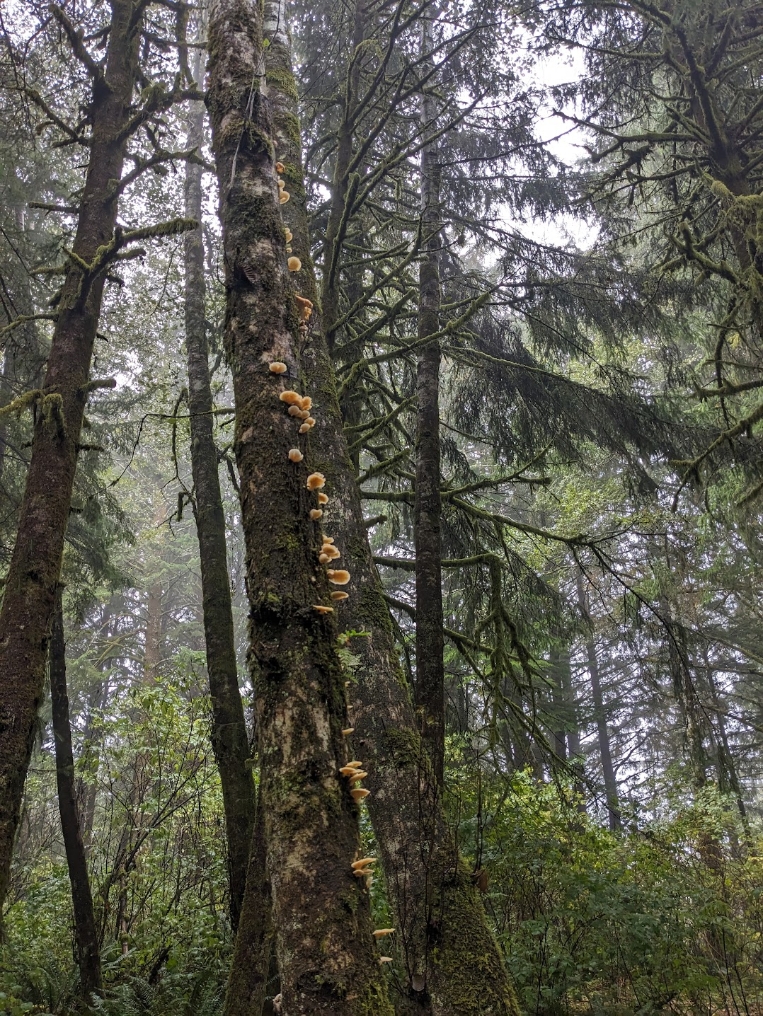
In this hands-on workshop, you’ll learn how to recognize the California trees that shape where mushrooms grow. We’ll start with the big picture—why tree identification matters for foraging—by connecting common California trees to the fungi they host, from ectomycorrhizal partners like oaks, pines, and madrone to arbuscular-mycorrhizal hardwoods that support very different mushroom communities.
You’ll learn practical field clues for telling hardwood from softwood, distinguishing major conifer groups, and separating commonly confused broadleaf trees such as birch, maple, and oak. Along the way we’ll cover the features botanists actually use in the field:
- bark color and texture
- leaf arrangement and shape
- cones, acorns, and other fruits
This is an interactive, specimen-based class. After the interactive lecture, we’ll provide leaves, cones, and fruits for a guided ID quiz so you can practice using diagnostic traits.
By the end, you’ll have a toolkit for quickly identifying common host trees and a clearer understanding of how fungal ecology can make you a faster, more accurate, and more successful mushroom hunter.
Details:
Location:
San Francisco,
PRIORITY:3
TRANSP:TRANSPARENT
BEGIN:VALARM
TRIGGER:-PT5M
ACTION:DISPLAY
DESCRIPTION:Reminder
END:VALARM
END:VEVENT
END:VCALENDAR